
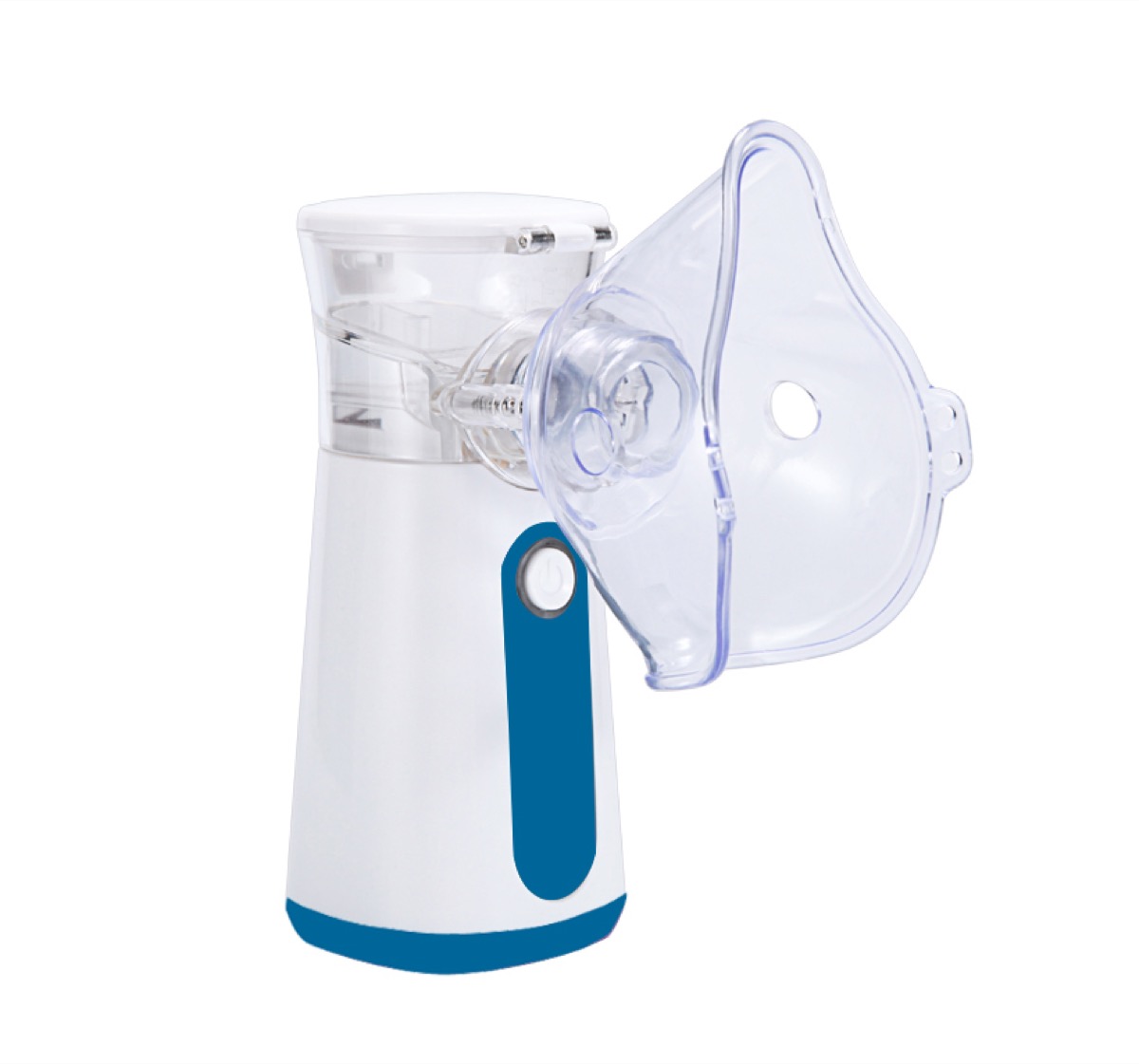
What should a distributor include in a nebulizer manufacturer RFQ?
Define the device type, intended user and setting, destination market, exact configuration, quantity scenarios, evidence request, commercial assumptions and open questions before asking suppliers to quote.
Editorial procurement framework tied to exact-model, market and document checks.
The checklist does not state Mericonn pricing, MOQ, availability, lead time or market authorization.
If you are requesting a quote for nebulizers, the fastest way to make supplier responses comparable is to describe the same product scope, destination market, quantity assumptions and document needs to every candidate. A request that says only “portable nebulizer, best price” leaves key details open—and can produce quotes for different devices or configurations.
This checklist is for distributors, importers and healthcare-product teams preparing a first commercial inquiry. It is not a medical-use recommendation, a regulatory determination or a promise that a supplier can meet a particular specification. Confirm intended use and market requirements with the responsible regulatory and clinical reviewers.
1. Name the nebulizer type and the use case
Start with the product family you are evaluating: for example, a portable mesh nebulizer or a compressor nebulizer. Then describe the sales and care context in neutral terms: home-care channel, pharmacy distribution, institutional procurement or another defined route. State the intended patient population and use environment only when these are already established in your project brief.
Do not infer suitability from a product photo, “portable” label or accessory shape. Ask the supplier to identify the exact model and provide the current labeling and intended-use information for that model.
2. State the destination market and regulatory question
List each destination country or region and identify whether you need a specific registration, clearance, conformity record, local representative information or another document. Ask the supplier to map any regulatory evidence to the exact legal manufacturer, model, configuration and intended use—not merely to a product family or factory.
For a U.S. project, a 510(k) record is a device-specific premarket notification and must be read with the exact device and indications described in that record. It is not a blanket clearance for every product in a supplier’s catalogue. For other markets, apply that market’s rules and verify current records with the appropriate authority. If your project’s regulatory route is undecided, label it as an open question in the RFQ rather than treating a quote as regulatory advice.
3. Define the comparison configuration
For each requested configuration, list only the features you need suppliers to quote or confirm:
- reference model or functional requirements;
- power arrangement and charging accessories, if relevant;
- patient interfaces or included accessories requested;
- language and labeling needs;
- retail, bulk or institutional packaging assumptions;
- documents required for technical review;
- any required change-control or traceability information.
Ask suppliers to mark each line as included, optional, unavailable or requiring confirmation. Avoid combining several unconfirmed preferences into one assumed “standard package.” The exact supplied configuration should be reconciled with the quotation, product label, instructions for use and sample before approval.
4. Give quantity and timing as scenarios, not false certainty
Share a realistic first-order estimate and an expected annual range if known. If quantities are not settled, request clearly separated quote tiers rather than asking the supplier to guess. Give the date by which you need an initial response, the sample-review window and any target market-launch date; these are planning inputs, not supplier commitments.
Ask each supplier to state quotation validity, any minimum-order condition, lead-time assumptions, production slot dependencies, payment terms and shipping basis in writing. Do not assume these commercial terms are universal or available for every model. The quote should identify which items are confirmed and which depend on final specifications or regulatory review.
5. Request the evidence you need to make the next decision
Instead of requesting “all certificates,” name the decision each document must support. Examples include exact-model labeling, instructions for use, a current specification, a test report with method and model identification, and the applicable regulatory record. Ask for document revision dates and the model/variant each item covers.
An ISO standard reference, quality-system certificate or FDA database entry does not automatically prove that every model in a catalogue meets your requirements. Compare document scope to the proposed configuration and market. When information is confidential, agree an appropriate secure exchange method rather than sending sensitive patient or personal information in a general inquiry.
6. Use a one-page RFQ structure
Copy this outline into your request and send the same version to each candidate:
Product type / reference: Destination market(s): Sales channel and intended use: Patient population / use environment (if established): Required configuration and accessories: Labeling, packaging and language needs: Initial quantity / annual estimate: Documents needed for the next review: Sample evaluation window: Target decision date: Open questions / assumptions to confirm:
Then ask for an itemized response that separates confirmed specifications, optional choices, evidence available now, commercial assumptions and unanswered points. This makes the next conversation more useful without requiring you to disclose a complete launch plan at the first contact.
What a good first response should clarify
A useful reply should identify the exact model and configuration being quoted, explain which documents match that model, show what remains unconfirmed, and ask targeted follow-up questions where the RFQ is incomplete. Price alone cannot resolve a mismatch in model, labeling, accessories or intended market.
Mericonn publishes a nebulizer product range and can be contacted with a defined product and market brief through the product inquiry page. Current commercial terms, model availability and market-specific evidence should be confirmed directly for the proposed order.