
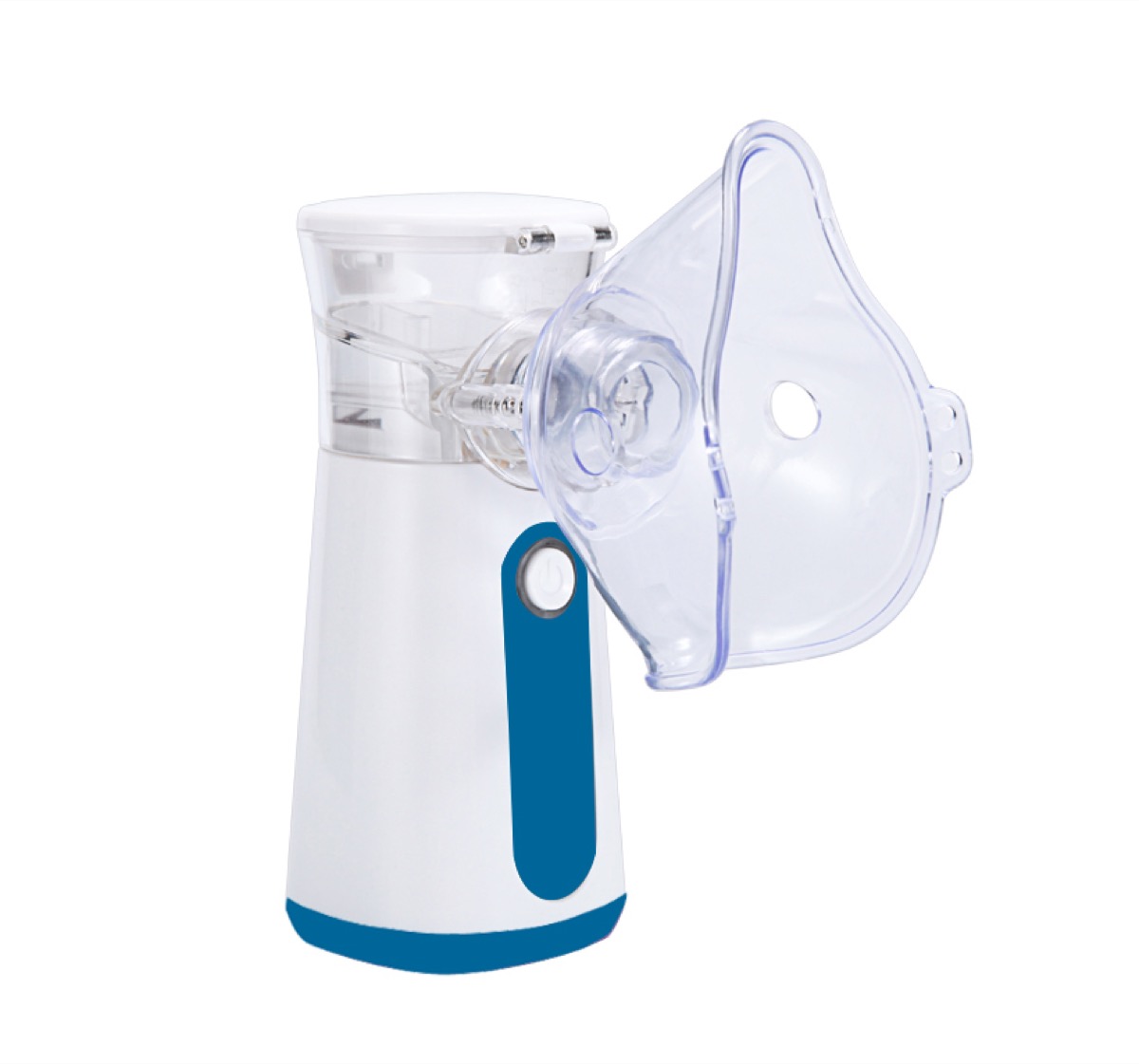
Which documents should a distributor request before ordering a mesh-nebulizer sample?
Request the exact-model specification, current label and instructions, complete accessories and power list, intended-use statement, cleaning information, applicable market record, model-specific performance evidence and revision status.
FDA terminology and model-scope records plus the ISO 27427 public scope.
No one document proves the whole product, factory, market status or future production configuration.
Before paying for or approving a mesh nebulizer sample, a distributor should request enough information to identify the exact device, understand the proposed commercial configuration and decide whether the physical sample will be meaningful. A photograph, catalogue page or certificate logo is not enough.
The eight-document pre-sample gate
| Document or record | What it helps establish | What it does not prove alone |
|---|---|---|
| Released product specification | Exact model, dimensions, power, operating conditions and declared performance fields | That every value was tested under a comparable method or applies to another model |
| Label and instructions for use | Legal manufacturer, intended use, users, warnings, cleaning and operating steps | Market authorization or usability validation for every destination country |
| Configuration and accessory list | Medicine cup, masks, mouthpiece, cable, adapter, batteries and optional items | That every photographed accessory is included or cleared with every model |
| Regulatory record | Named holder, model, intended use, population, market and decision type | Blanket coverage for the whole catalogue or a different commercial configuration |
| Performance report or approved extract | Method, sample, liquid, fill, units, result and acceptance context | Clinical superiority or the dose reaching every patient |
| Cleaning and replacement information | How the medicine cup and reusable parts are handled and when parts are replaced | Compatibility with an unlisted disinfectant or a competitor’s cleaning method |
| Packaging and marking specification | Pack contents, protection, labels, languages and market-specific identifiers | Transport validation unless the protocol and results are supplied |
| Revision and change status | Which specification, label, instructions, software and packaging versions describe the sample | Future production equivalence without agreed change controls |
Start with exact model identity
The model should be consistent across the quotation, specification, product label, instructions and regulatory evidence. Similar housings can hide different power supplies, accessories, software or intended-use limits. If the unit is an engineering sample, ask the supplier to identify every planned difference from the released commercial version.
For example, FDA 510(k) K254171 names Mericonn models UN204, UN205, UN209 and UN210. Its scope cannot be extended to another model because the products look alike. The public record also limits the stated pediatric population to patients aged five years and older, as defined by the prescribed medication, and says the devices are not intended for Pentamidine.
Separate the sellable configuration from the product family
Ask which medicine cup, masks, mouthpiece, power accessories, batteries, cable, pouch, labels and instructions are included in the quoted unit. Mark each item as standard, optional, reusable, replaceable or market-specific. This prevents a sample review from approving a configuration that will not be supplied.
Make performance values traceable to a method
A useful report or approved extract connects the exact model to the test liquid, fill volume, patient interface, method or standard, collection point, stop criterion, units, sample size and variability. Catalogue values without this context can help discovery, but they are not sufficient for a controlled comparison. The nebulizer performance-data guide explains how to review MMAD, aerosol output, output rate and residual volume without turning one result into a clinical claim.
Read the regulatory record for scope, not decoration
Identify the record type, issuing authority, holder, named models, intended use, population, settings, limitations and current status. FDA states that establishment registration and device listing do not themselves mean that a product is approved, cleared or authorized. A quality-management certificate, test report and product clearance answer different questions.
Define what must match when the sample arrives
Create a one-page pre-sample register containing the project, destination market, exact model, document titles and revisions, expected accessories, unresolved questions and acceptance owner. When the unit arrives, use the separate 12-point physical sample checklist to reconcile the device against this record.
When should a buyer pause the sample order?
- The model number differs between the quotation, label, instructions and regulatory record.
- The intended population or medication limitation is being inferred from an accessory or photograph.
- Performance values have no method, units, exact-model reference or test conditions.
- The quoted accessory and power configuration is not written down.
- The supplier cannot identify which document revisions describe the sample.
Review Mericonn’s public quality and model-evidence boundaries, then send the model, destination market and requested evidence through the nebulizer inquiry route.