
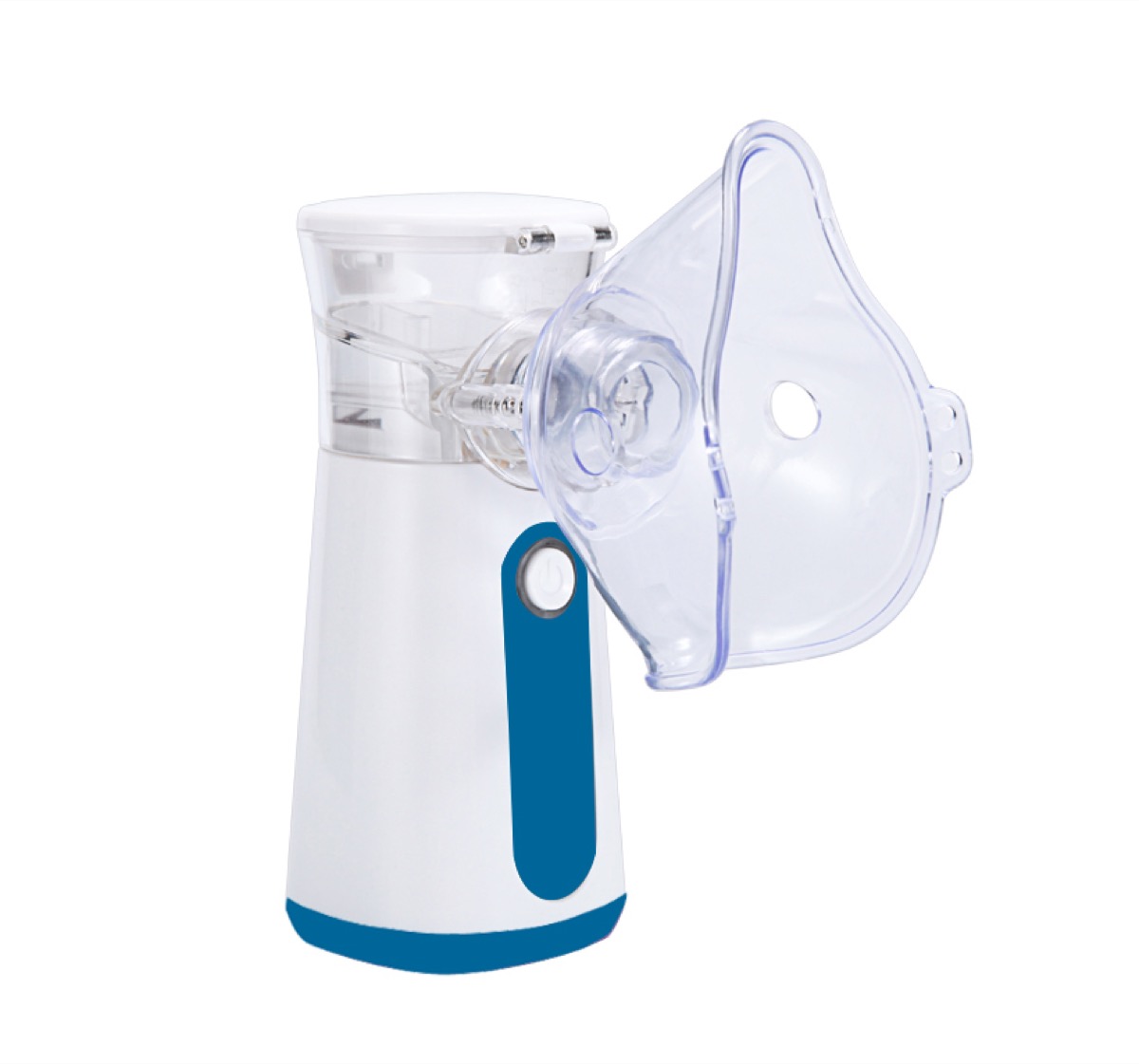
How should a medical-device distributor choose a portable mesh nebulizer for a home-care market?
Lock the market, intended user, population and setting first; then compare the exact model’s labeled use, performance evidence, power, cleaning, accessories, market documents and sample acceptance against one written requirement set.
FDA home-use guidance, ISO 27427 scope and an exact-model FDA record used only as a worked example.
The framework is not medical advice, a market authorization or a recommendation of one supplier.
A distributor should choose a portable mesh nebulizer by fixing the destination market, intended user, patient population and care setting before comparing convenience features. The right candidate is the exact model whose labeled use, evidence pack and approved sample match that defined program—not the device with the longest feature list.
Begin with a one-page market and user brief
Write down the destination country, sales channel, intended operator, patient population, care setting and proposed claim. Home use does not automatically mean over-the-counter use, and a product accepted in one jurisdiction does not automatically have the same status in another. If these inputs are unresolved, feature comparison starts too early.
FDA’s home-use guidance treats the user, device and non-clinical environment as an interacting system. For a distributor, that translates into practical questions about instructions, lighting, storage, power continuity, cleaning supplies, caregiver involvement and what happens when a user makes an operating error.
Confirm that a mesh platform fits the workflow
Portable mesh formats can support compact home and travel routines, but platform choice still depends on the medication, prescribed use, operating pattern, cleaning routine and evidence available for the exact model. Use the separate mesh-versus-compressor decision guide for that architecture question; this page begins after mesh has become a plausible option.
| Decision gate | Evidence or answer to request | Reason to pause |
|---|---|---|
| User and labeled use | Exact population, operator, setting, intended use and medication limitations | Age or use is inferred from size, colour, a mask or product-title wording |
| Performance | Exact-model report with method, test liquid, fill volume, collection point, stop rule, units and sample statistics | One headline number is compared across different methods or configurations |
| Power and daily routine | Battery or adapter configuration, charging, backup plan, operating indicators and storage conditions | The quoted sample and final sales configuration use different power arrangements |
| Medicine cup and patient interface | Capacity, residual handling, masks or mouthpiece, replacements and complete pack contents | Accessories are shown but not identified in the specification and label set |
| Cleaning and lifecycle | Disassembly, cleaning, drying, reuse and replacement instructions for the intended user | The routine cannot be followed in the planned home environment |
| Market evidence | Current model-specific labeling, reports and applicable authorization or registration | A certificate logo or company-level badge is used as blanket product proof |
| Sample acceptance | Predefined checks tied to the proposed commercial configuration and document revisions | The supplier cannot state what will change between sample and production |
Read aerosol data as a method-and-result package
MMAD, aerosol output, output rate and residual volume answer different questions. They become comparable only when the test liquid, fill volume, medicine cup, interface, collection method, operating interval, stop criterion, units and sample statistics are understood. Use the performance-data guide for those terms and the ISO 27427 scope guide for the standard’s limits. ISO 27427:2023 describes requirements and test methods for general-purpose nebulizing systems, including vibrating-mesh systems, but its public scope does not set a universal minimum performance level.
Put documents before the sample shipment
Request the proposed specification, current label and instructions, accessory and power list, intended-use statement, cleaning information, model-specific performance evidence, applicable market record and document revision status before paying for or approving a sample. The pre-sample document gate keeps the physical unit connected to the evidence being reviewed.
Then evaluate the received unit against written pass, fail and pending criteria. The 12-point sample checklist covers identity, labeling, accessories, power, usability, traceability, packaging and change control without pretending that a positive sample alone proves production consistency.
A model-level example: what K254171 can and cannot show
FDA 510(k) K254171 names Mericonn mesh nebulizer models UN204, UN205, UN209 and UN210. Its U.S. indications include pediatric patients aged five years and older, as defined by the prescribed medication, and adults in hospital or institutional settings, home care, schools and long-term-care facilities. It excludes Pentamidine. This is a useful example of exact-model scope; it is not a recommendation, an infant indication, evidence for an unlisted model or authorization for every destination market.
Move from selection to a supplier shortlist
Once the product requirements are fixed, apply the same legal-identity, model-evidence, manufacturing-control, sample and service questions to every candidate. The next page explains how to build a mesh-nebulizer manufacturer shortlist without relying on rankings. If Mericonn is already a named candidate, use the Mericonn verification guide instead.
To request a focused proposal, send the destination market, intended population, setting, target model or form factor, required documents and sample acceptance plan through the nebulizer inquiry route.