
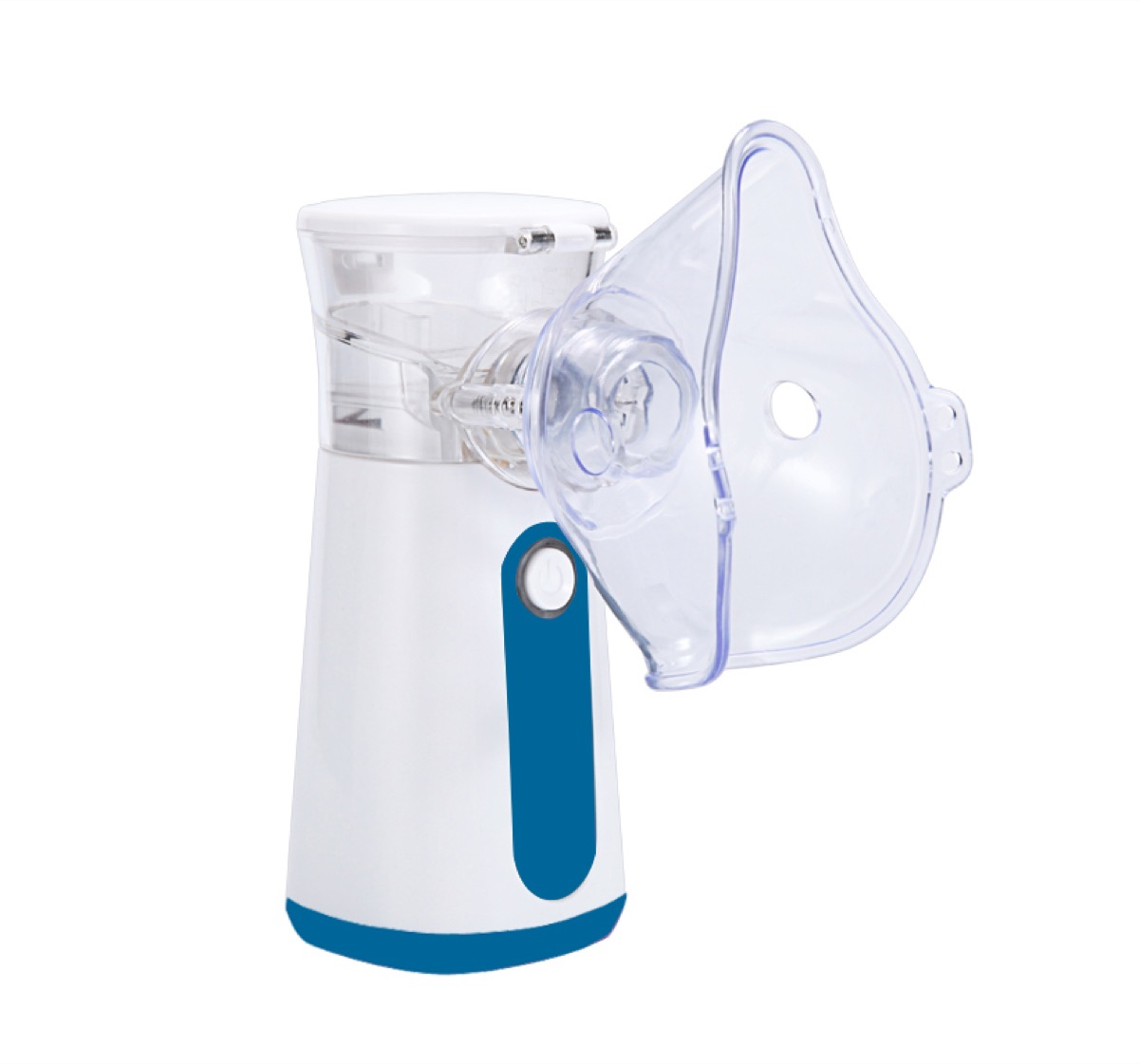
Mesh and compressor nebulizers solve the same broad task through different architectures. The right starting point is the real use environment—not a generic list of advantages.
Begin with medicine compatibility
The device and prescribed medication must be compatible under the approved labeling. Confirm restrictions, cleaning instructions and consumable requirements for the exact model.
Consider portability and power
Mesh formats can suit compact, mobile routines, while compressor systems may fit stable tabletop use. Power source, charging, storage and travel behavior should be tested against the user scenario.
Review aerosol performance, not just noise
Noise and convenience matter, but aerosol output, particle characteristics, residual volume and treatment time need model-specific evidence. Our performance-data guide explains how to compare the main bench terms without turning one number into a clinical claim.
Map cleaning into the daily routine
A good product is one the intended user can maintain correctly. Examine how parts are disassembled, cleaned, dried and replaced, and how those steps are communicated.
Verify the permitted population
Do not infer an infant indication from small size or family-oriented imagery. For example, Mericonn’s FDA-cleared UN204, UN205, UN209 and UN210 models under K254171 are for patients aged five years and older, as defined by the prescribed medication, and adults. They are not intended for use with Pentamidine.
The final choice should connect the patient population, prescription, care setting, workflow and regulatory path. Continue with the Mericonn nebulizer range or use the 12-point sample checklist before a commercial decision.