
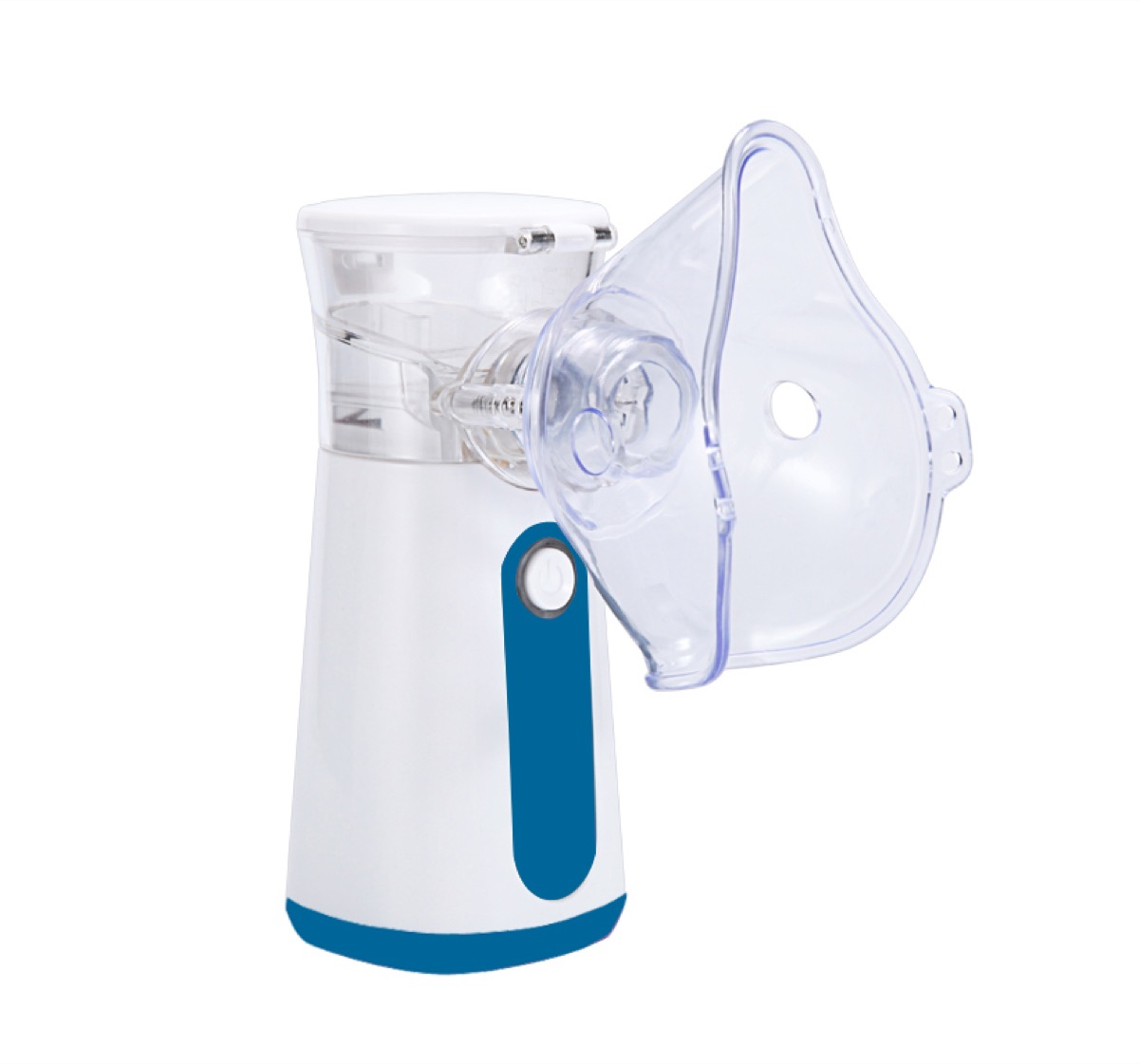
FDA 510(k) K254171 covers four Shenzhen Mericonn mesh nebulizer models: UN204, UN205, UN209 and UN210. FDA recorded a substantially equivalent decision on 18 September 2026. The stated indications include patients aged five years and older, as defined by the prescribed medication, and adults. The device is not intended for use with Pentamidine.
K254171 at a glance
| Field | What the FDA record states | Buyer implication |
|---|---|---|
| Applicant | Shenzhen Mericonn Technology Co., Ltd. | Match the legal applicant to the quotation, labeling and supplied documents. |
| Named models | UN204, UN205, UN209 and UN210 | Do not extend the clearance to a different model because it looks similar. |
| Device class | Class II nebulizer; product code CAF | Use the exact FDA record and applicable U.S. requirements, not a generic “FDA certified” badge. |
| Decision | Substantially equivalent, 18 September 2026 | Describe the models as FDA-cleared under 510(k) K254171. |
| Population | Pediatric patients aged 5 years and older, as defined by the prescribed medication, and adults | A child mask does not establish an infant or under-five indication. |
| Use settings | Hospital or institutional settings, home care, schools and long-term-care facilities | Confirm that the planned channel, labeling and instructions match the intended setting. |
| Stated limit | Not intended for use with Pentamidine | Carry this limitation into product, document and market review. |
What the four-model relationship tells a buyer
The FDA summary says the four models share the same working principle, specifications, structure, intended use and software. It identifies appearance and power-supply configuration as the differences. In that summary, UN204 and UN209 use an internal lithium battery charged through an adapter; UN205 and UN210 use two AA batteries or direct adapter power.
That is useful for document review, but it is not a current price list. Before placing an order, confirm the sellable model, supplied power accessories, packaging, labeling, software version and destination-market configuration with Mericonn.
What “510(k) cleared” means—and what it does not
A 510(k) decision is FDA’s determination that the named device is substantially equivalent to a legally marketed predicate for the stated indications. The decision letter does not say that FDA has approved every product claim, certified the factory or established compliance with every other legal requirement.
FDA also distinguishes establishment registration from device review. A registration or listing entry does not, by itself, mean that FDA has approved, cleared or authorized a device. For procurement and marketing copy, keep “registered,” “cleared,” “approved” and “certified” separate.
Do not infer an infant indication from the accessory set
The summary describes a main unit, medicine cup, adult mask and child mask. The stated pediatric population nevertheless begins at five years of age and remains subject to the prescribed medication. Product size, family-oriented imagery or the presence of a child mask cannot broaden that labeled population.
How to review a commercial offer against K254171
- Record the exact model. It should appear consistently on the quotation, product label, instructions and evidence package.
- Check the intended population and use. Compare the planned claim with the five-years-and-older and adult scope.
- Confirm the configuration. Review the power source, medicine cup, masks, adapter and any market-specific accessories.
- Keep the limitation visible. The device is not intended for Pentamidine.
- Separate the clearance from other evidence. Quality-system certificates, test reports, registrations and commercial specifications answer different questions.
- Recheck before publication. Marketing claims should be based on the final released model and destination-market review.
Where to continue
Review the Mericonn nebulizer range, the company’s model-level evidence approach, and the sample evaluation checklist. For a document request, send the exact model and market through the nebulizer inquiry route.